
Things to Do in Ubon Ratchathani in February
February weather, activities, events & insider tips
Low Season · Budget Friendly
February Weather in Ubon Ratchathani
Long-run averages for February
93°F (34°C)
High Temp
68°F (20°C)
Low Temp
0.4 inches (10 mm)
Rainfall
61%
Humidity
2
Rainy Days
10
Sunny-Day UV
⚠ Afternoon temperatures regularly reach 34°C (93°F) with intense direct sun and minimal cloud cover. The main outdoor attractions are on exposed rock with almost no shade. Heat exhaustion is a genuine risk for visitors who skip water or push past mid-morning. Carry at least two liters per person for any national park visit. Plan the hard walking before 10 AM.
⚠ Early agricultural burning from sugarcane and rice stubble clearing can occasionally produce haze across parts of Isan starting in February. The heavy smoke season typically peaks in March and April. Most February days have clear air. Sensitive travelers might notice a smoky tinge on mornings when nearby fields are being cleared.
Making the most of February in Ubon Ratchathani? Browse tours and activities in Ubon Ratchathani on GetYourGuide.
Is February Right for You?
Weigh the advantages and considerations before booking
Advantages
- + February is peak dry season in Ubon Ratchathani with barely 10 mm (0.4 inches) of rain across the entire month. Outdoor attractions like Sam Phan Bok and Pha Taem National Park are fully accessible. Trails stay firm and walkable. The mudslick paths of monsoon months are gone.
- + The Mekong and Mun rivers run at their lowest levels. This exposes the 3,000 eroded rock formations at Sam Phan Bok, the sand formations at Had Hong, and the rapids at Kaeng Tana. All spend half the year completely underwater. They are simply not there to visit from June through October.
- + Evening temperatures drop to around 20°C (68°F). By Isan standards, this is practically cool. Night markets and riverside dining become pleasant. The sweat-soaked endurance events of hot months disappear. Cloudless skies make Wat Sirindhorn Wararam's phosphorescent glow mural sharper and more vivid than at any other time of year.
- + Tourist infrastructure in Ubon Ratchathani is priced for Thai domestic visitors, not international tourism. February sits outside any festival premium. Accommodation, food, and transport here run at a fraction of what comparable experiences cost in Chiang Mai or the southern islands. The crowds those places attract, even in quiet months, are absent here.
Considerations
- − Afternoon heat reaches 34°C (93°F) with aggressive direct sun. The main outdoor attractions like Sam Phan Bok and the Pha Taem cliff trail offer almost no shade. Any activity between 11 AM and 3 PM means full sun exposure on open rock. Heat exhaustion is a genuine risk if you underpack water or overestimate your tolerance. Pack more than you think.
- − The landscape is at its driest and brownest. Rice paddies are stubble. Rivers run low and muddy at the edges. The lush green Isan that photographers love is still months away. If your mental image of Thailand is tropical greenery, February's Ubon will look more like a sunbaked savanna. Adjust expectations.
- − No major festivals or cultural events fall in February. Ubon Ratchathani's signature draw, the Candle Festival, fills the city with carved wax masterpieces and street parades in July. February is a quiet month culturally. This can feel flat if you are hoping for spectacle alongside the scenery. Plan accordingly.
Settled on February? Compare hotel prices in Ubon Ratchathani for your dates on Trip.com.
Best Activities in February
Top things to do during your visit
Sam Phan Bok Mekong Canyon Day Expeditions
February puts Sam Phan Bok at its most dramatic. This eroded sandstone plateau along the Mekong, about 115 km (71 miles) northeast of Ubon city near the small town of Khong Chiam, only reveals itself when the river runs low enough. Roughly 3,000 potholes and sculpted channels carved into rock over millennia emerge. By February the water has dropped far enough that you can walk across terraces the color of burnt clay. Peer into pools still holding jade-green water. Feel dry wind cutting across open stone where a river raged four months ago. The scale tends to surprise people. This is not a single formation but a kilometer-wide stretch of carved rock. The morning light angling in around 6:30 AM turns wet stone surfaces into something worth crossing the province for. The heat gets aggressive by 11 AM with limited shade. Plan for an early start. Most visitors base out of Khong Chiam and arrange transport from there. The drive from Ubon city runs through flat Isan countryside of stubble-dry rice paddies and tamarind trees. It is best done with a driver who knows the unpaved final stretch to the river.
Booking Tip: Arrange day tours through licensed operators at least a week ahead. February is dry season and domestic visitor numbers tick up on weekends. Weekday departures tend to be quieter. A full-day itinerary pairing Sam Phan Bok with Pha Taem National Park is the standard circuit. See current options in the booking section below.
Pha Taem National Park Sunrise and Cliff Art Tours
Pha Taem's eastern cliff edge is, by geography, the first point in Thailand to catch the morning sun. In February, sunrise hits around 6:20 AM. The light spills across the Mekong floodplain into Laos in a way that makes the 90-minute predawn drive from Ubon city feel immediately worth it. The cliff trail runs about 4 km (2.5 miles) along the escarpment. It passes prehistoric rock paintings estimated at 3,000 to 4,000 years old: geometric figures, handprints, fish, elephants. All rendered in rust-red pigment that has somehow held against centuries of monsoon rain. The dry February air keeps visibility sharp and the trail dust-firm underfoot. This is a real advantage over the slippery paths of rainy season. You will likely hear gibbons calling across the valley if you are early enough. The smell of dry dipterocarp forest, a woody, slightly resinous scent, stays with you along the ridgeline. Bring at least two liters of water per person. The trail has no services. The midday sun at this altitude is unforgiving.
Booking Tip: Book guided sunrise tours at least a week ahead. This applies for predawn departures that handle the logistics of navigating park roads in the dark. Solo visitors can drive themselves but the road needs care before dawn. Check current guided options in the booking section below.
Isan Food Market Walks
Ubon Ratchathani's food identity is unfiltered Isan. February's dry, relatively cool mornings make walking the markets comfortable rather than the endurance test they become by April. The city's central morning market comes alive well before dawn with the clatter of metal bowls, the sharp green scent of freshly pounded som tam, and smoke from charcoal grills turning gai yang, Isan-style grilled chicken flattened and slow-roasted until the skin crackles. Sticky rice here is the backbone of every meal, served in small woven bamboo baskets you will learn to use as an edible utensil within a day. Larb, the minced meat salad spiked with toasted rice powder, fish sauce, lime, and enough chili to make your temples sweat, tastes different in Ubon than in Bangkok: rawer, less sweetened, closer to the Lao border tradition it comes from. Evening food stalls along the Mun River banks offer a second window into Isan cooking after the heat breaks, with charcoal smoke drifting across the water and cold bottles sweating in the humid air. February evenings drop to around 20°C (68°F), which in Isan terms practically counts as sweater weather.
Booking Tip: Food-focused walking tours of Ubon's markets tend to run morning departures when produce is freshest and the air is still cool. Book a few days ahead. Group sizes stay small. See what is currently available in the booking section below.
Wat Sirindhorn Wararam Evening Glow Experience
About 75 km (47 miles) south of Ubon city in Sirindhorn district, Wat Sirindhorn Wararam earns its local nickname after dark. The chapel's rear wall carries a large fluorescent mural of the Bodhi tree, an intricate large design that absorbs daylight and then, as the sky drops to full dark, emits an eerie green-blue phosphorescence that makes the entire wall look lit from within. February's cloudless evenings are good for this: arrive about 30 minutes before sunset, walk the grounds while there is still light to see the conventional temple architecture, and then wait. The glow emerges gradually, and on a clear February night with no light pollution from the surrounding countryside, the effect is unlike anything else in Thai temple culture. The drive south from Ubon passes through quiet Isan landscape of cassava fields, small villages, and dogs sleeping on warm roads. Bring a light layer for the return drive after dark, when the temperature at 20°C (68°F) with the windows down can feel surprisingly cool.
Booking Tip: Half-day evening tours from Ubon city are the standard approach, typically departing late afternoon to time the sunset. Book a couple of days ahead through operators who run the timing well. Check current availability in the booking section below.
Kaeng Tana Rapids and Had Hong Sand Formations
Kaeng Tana National Park sits where the Mun River narrows and drops over a stretch of exposed rock rapids about 75 km (47 miles) east of Ubon city. In February, with the river running low, rock shelves and small islands emerge from the water and you can walk across formations that the monsoon buries under several meters of fast-moving current. The sound of water threading through the rocks is lower and more musical than the monsoon's roar, carrying across a quiet landscape of egrets fishing in the shallows. This is where the Mun meets its rocky bed in a way that feels geological rather than scenic: you are standing on the ancient sandstone that underlies all of Isan, worn smooth by millennia of seasonal flooding. Had Hong, the riverside sand formations nearby, is another dry-season sight. The sand exposed when water recedes creates an oddly striking contrast against dark river rocks and the green tree line beyond, like miniature dunes dropped into the Thai countryside. Nearby Khong Chiam, where the brown Mun River meets the blue-green Mekong, produces a visible two-tone water line that dry season makes most pronounced.
Booking Tip: Day trips combining Kaeng Tana with the Two-Color River at Khong Chiam are a common circuit that covers both sites comfortably. Book through licensed operators a few days ahead. See options in the booking section below.
Old Ubon Temple Circuit
Ubon Ratchathani's temple architecture tells a story most visitors never hear because they are already on a bus to Chiang Mai. Wat Thung Si Muang, in the city center, houses a small wooden scripture library raised on stilts above a lotus pond. The wood is dark with age, and in February morning light the reflections in the still water below create a doubled image that photographers cross the province for. Wat Nong Bua's white chedi is a scaled replica of the Mahabodhi Temple in Bodh Gaya, India, its surface covered in carved stucco that catches late-afternoon sun with a warmth that photographs struggle to capture but looks extraordinary in person. Walking between temples is feasible before about 10 AM and again after 4 PM, when the fierce midday heat softens and tree-lined avenues throw enough shade to make the kilometer distances between sites comfortable. The smell of incense and marigolds at morning merit-making ceremonies, the low murmur of monks at their daily chanting, these are not curated tourist moments. This is a working religious city that happens to let you watch.
Booking Tip: A half-day morning route by tuk-tuk or songthaew covers the major temples comfortably while the air is still cool. Guided options that add historical context are worth the small premium. Check the booking section below for current tour availability.
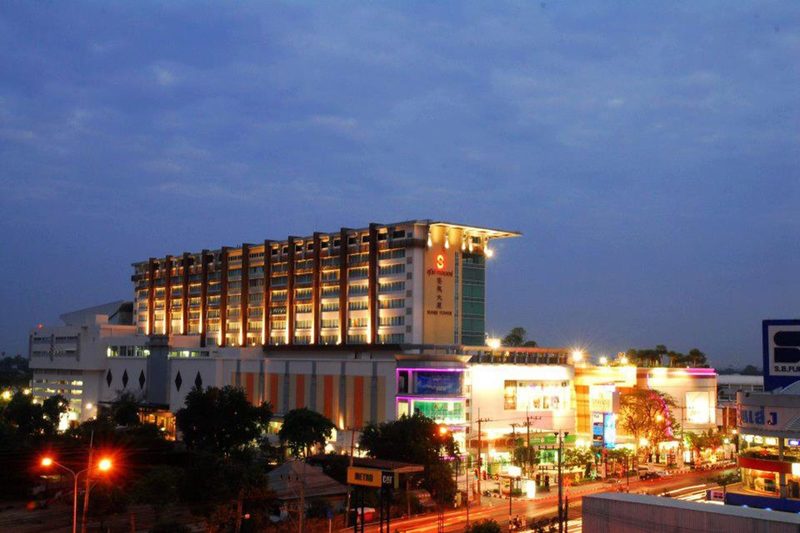
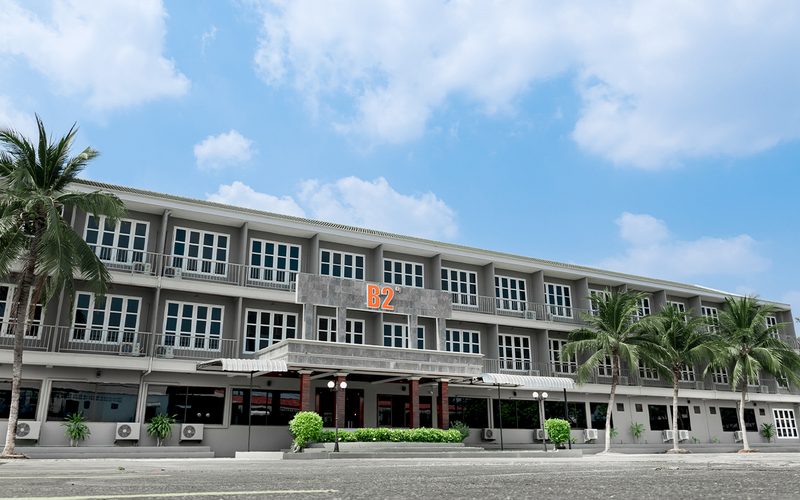
Where to Stay in Ubon Ratchathani in February
Hand-picked hotels across price tiers for February travellers.
Public Holidays in February
Dates that affect opening hours, transport and crowds
Makha Bucha
Observed nationwide as a public holiday. Date calculated from the national holiday calendar.
Makha Bucha
Observed nationwide as a public holiday. Granted in lieu when the holiday falls at a weekend. Date calculated from the national holiday calendar.
Makha Bucha
Observed nationwide as a public holiday. Date calculated from the national holiday calendar.
Packing Checklist
Bookmark this page — your progress is saved between visits
Need the full list with shopping links?
Climate-specific gear, brand recommendations, and what to leave at home.
View Ubon Ratchathani Packing List →Essential Tips
Insider knowledge and common pitfalls to avoid
Insider Knowledge
Take the overnight train from Bangkok's Hua Lamphong station to Ubon Ratchathani. It runs about 10 hours and arrives early morning, which saves a night of accommodation and drops you into the city's morning market right at its peak. Flights take barely an hour and are often surprisingly affordable when booked a few weeks ahead. But the train gives you a story and a slow-motion view of the Thai countryside waking up. Choose your pace.
Base yourself in Khong Chiam, the small town at the Mun-Mekong confluence about 80 km (50 miles) east of Ubon city, for Sam Phan Bok and Pha Taem rather than day-tripping from Ubon. Staying one night there cuts three hours of round-trip driving and lets you catch the Pha Taem sunrise without a 3 AM alarm. Sleep closer.
Ubon Ratchathani's nightlife concentrates along a few blocks near the Mun River and the university area, and it is overwhelmingly local. Expect Isan-language conversation, live mor lam music with its distinctive nasal singing over a khaen bamboo mouth organ, and a warmth toward foreign visitors that comes from genuine curiosity rather than tourist-industry habit. February evenings are cool enough to sit outside comfortably, which is half the appeal. Embrace the unfamiliar.
If you order som tam in Ubon, expect Isan-level heat by default. Telling the vendor mai phet (not spicy) or phet nit noi (a little spicy) will still produce something hotter than most foreigners are accustomed to. The fermented crab version, som tam pu pla ra, is an acquired taste worth approaching on your second or third day rather than your first. Start with som tam Thai, the sweeter peanut version, and work your way toward the funk. Build tolerance gradually.
Avoid These Mistakes
Never underestimate distances between outdoor attractions. Sam Phan Bok, Pha Taem, and Kaeng Tana are all 75 to 115 km (47 to 71 miles) from Ubon city on roads that slow down considerably in the final stretches. Trying to hit all three in a single day means spending more time in a vehicle than at the sites. Two days with an overnight in Khong Chiam is the circuit that works. Slow down.
Avoid planning outdoor activities between 11 AM and 3 PM. The February sun at Ubon's latitude is relentless on exposed rock, and heat exhaustion is a real risk at Sam Phan Bok where shade is essentially nonexistent. Locals do their errands early and rest through the hottest hours for good reason. Follow their lead: dawn to mid-morning for parks, midday for air-conditioned meals or temple interiors, late afternoon onward for river walks and night markets. Respect the heat.
Do not expect English menus and English-speaking staff outside the city center. Ubon Ratchathani is an Isan city first and a tourist destination a distant second. Learning a handful of Thai phrases or keeping a translation app loaded and ready goes further here than in Bangkok or Chiang Mai, and the effort is appreciated. Pointing at what someone else is eating is also a well valid ordering strategy at the markets. Point and smile.
Short on time? See day trips around Ubon Ratchathani on GetYourGuide.
Ready to plan your trip to Ubon Ratchathani?
Now that you've got the research covered, here's where to go next.
Explore More Activities in Ubon Ratchathani
Didn't see anything interesting yet?
Browse Viator's full catalog of tours, day trips, food experiences, and private guides in Ubon Ratchathani.
See All Ubon Ratchathani Tours on Viator