
Things to Do in Ubon Ratchathani in June
June weather, activities, events & insider tips
Low Season · Budget Friendly
June Weather in Ubon Ratchathani
Long-run averages for June
92°F (33°C)
High Temp
76°F (24°C)
Low Temp
9.3 inches (236 mm)
Rainfall
80%
Humidity
12
Sunny-Day UV
⚠ The Mun River running through Ubon Ratchathani city center rises significantly during the monsoon. Low-lying areas near the riverbanks have experienced serious flooding in past years. Check local conditions before booking riverside accommodation. Avoid ground-floor rooms in properties directly along the Mun during June through September. Stay on higher ground.
⚠ Unpaved roads and trails in Pha Taem and Kaeng Tana national parks become slippery. They turn occasionally impassable after heavy rain. Flash flooding in creek beds near Kaeng Tana's rapids remains a real hazard. Check trail conditions with park offices on the morning of your visit. Do not cross swollen waterways on foot. Turn back safely.
⚠ Monsoon rains leave standing water that fuels mosquitoes across Ubon Ratchathani province. Dengue fever risk rises during the wet season. Apply repellent daily. Pack long sleeves for evening outings along the river during dawn and dusk hours.
Making the most of June in Ubon Ratchathani? Browse tours and activities in Ubon Ratchathani on GetYourGuide.
Is June Right for You?
Weigh the advantages and considerations before booking
Advantages
- + The Isan countryside around Ubon Ratchathani turns an almost unreasonable shade of green in June. Rice paddies flood to mirror the sky. Waterfalls in Pha Taem and Kaeng Tana national parks run at their most powerful. If you've only seen the dry-season northeast, this is a different landscape entirely.
- + Ubon Ratchathani in June is about as far from a tourist trail as Thailand gets. Guesthouses along the Mun River run well below capacity. Temple grounds are yours to walk without dodging selfie sticks. Night markets cook for locals, not visitors. That translates directly into a more honest experience of the city.
- + June is peak season for Isan's most prized seasonal ingredients. Bamboo shoots, freshly harvested from the monsoon-soaked forests outside the city, show up in sup nor mai at market stalls all over town. Wild mushrooms, the kind grandmothers in Ubon still forage for, appear in larb hed and tom saep. You cannot eat this food in January.
- + Temple workshops across Ubon Ratchathani spend June carving the enormous beeswax sculptures that will anchor the Candle Festival parade in July. Walking into a wat compound and watching artisans shape meter-tall figures from blocks of wax, the sweet warm smell of beeswax shavings in the air, is something only a June visitor sees up close and unhurried.
Considerations
- − The rain is real and sometimes dramatic. June averages 9.3 inches (236 mm), and while showers often hit in hard afternoon bursts rather than all-day grey, they can turn unpaved roads in the national parks slippery and occasionally close trails. The Mun River rises noticeably, and low-lying neighborhoods near the riverbanks have flooded in past years.
- − Sam Phan Bok, the extraordinary rock-hole formations along the Mekong that draw geology enthusiasts in the dry months, is largely submerged by June. The Mekong's water level climbs through the monsoon and covers the canyon-like channels that make the site famous. If Sam Phan Bok is the reason you're coming, wait until December through April.
- − Humidity at 80% makes midday outdoor exploration uncomfortable. The air sits heavy on you. Clothes stick within minutes of stepping outside. The combination of 33°C (92°F) heat and moisture means even short walks feel longer than they are. Locals largely avoid being outside between noon and three, and you should follow their lead.
Settled on June? Compare hotel prices in Ubon Ratchathani for your dates on Trip.com.
Best Activities in June
Top things to do during your visit
Pha Taem National Park Waterfall and Cliff Trail Visits
Pha Taem comes alive in June in ways the dry season cannot replicate. The park's waterfalls, Saeng Chan and Kaeng Lamduan, run at full power after weeks of monsoon rain, the red laterite trails flanked by dripping ferns and wildflowers that only bloom in the wet months. The main cliff walk overlooking the Mekong toward Laos is best attempted early morning, before 8 AM, when the air is still cool enough to make the 1.5 km (0.9 mile) trail comfortable and the cloud formations over the river valley tend toward the spectacular. The prehistoric rock paintings along the cliff face, some dating back 3,000 years, are easier to photograph in the diffused light of an overcast June morning than under the harsh dry-season sun. Trails can be muddy and slippery after heavy rain, so proper footwear matters more than it would in February. The park sits about 100 km (62 miles) east of the city center, roughly a 90-minute drive.
Booking Tip: Book a day trip through licensed operators at least a week ahead, as group sizes stay small in the wet season and guides who know which trails are passable after rain make a real difference. Look for operators offering combined Pha Taem and Khong Chiam itineraries. See current tour options in the booking section below.
Ubon Ratchathani Temple Circuit and Candle Carving Workshops
June turns Ubon Ratchathani's temples into working art studios. At Wat Thung Si Mueang, the small ordination hall appears to float on its surrounding pond, the water now high enough in the monsoon to fully reflect the structure, and across the city, temple compounds smell of warm beeswax as artisans carve the elaborate candle sculptures destined for the July Candle Festival. Wat Nong Bua, modeled after the Mahabodhi Temple in Bodh Gaya, India, is worth a slow visit for its interior murals depicting Jataka tales in a distinctly Isan visual style. In the evenings, Wat Sirindhorn Wararam about 20 km (12.4 miles) south of the city reveals its phosphorescent Tree of Life mural on the chapel wall, the green glow emerging against the dark after sunset. June's overcast skies make the glow more dramatic, and you'll likely have the viewing terrace to yourself. A full temple circuit covering three to four major sites takes a comfortable half day with time to watch the candle carvers work.
Booking Tip: A local guide who can explain the Jataka scenes and introduce you to the candle carving monks adds a dimension you won't get walking in cold. Book two to three days ahead. See current guided options in the booking section below.
Kaeng Tana National Park River and Rapids Exploration
Where the Mun River narrows through volcanic rock formations at Kaeng Tana, June's swollen current transforms what was a lazy dry-season trickle into impressive rapids. The park sits about 80 km (50 miles) east of the city and has a rawer, less manicured experience than Pha Taem. The rock shelves along the Mun are partially submerged but the remaining exposed formations, smoothed and pocked by millennia of water, are slick with spray and worth careful exploration. The surrounding forest canopy traps moisture and keeps temperatures a few degrees below the city, and the sound of rushing water through the gorge is the sort of ambient roar that makes you forget you're in Thailand's flattest region. Birding is notably good in the wet-season canopy. The park's trails are manageable in about two to three hours, though the riverside paths require sturdy waterproof footwear with real grip.
Booking Tip: Pair Kaeng Tana with the Two-Color River viewpoint at Khong Chiam, where the Mun meets the Mekong. The color contrast is less dramatic in June. Both rivers carry monsoon sediment then. Book combined day trips a few days ahead through the booking section below.
Isan Food Market and Street Food Tours
Ubon Ratchathani's food scene runs on ingredients that the rest of Thailand has to import and Isan has growing in the yard. June is the month when this matters most. The Indochina Market, a large covered complex near the city center that has operated for decades, fills with seasonal produce in the early morning. Look for bundles of fresh bamboo shoots still damp from the forest. Baskets of wild mushrooms that the vendors can name by species. Piles of fresh herbs including the peppery phak chi farang that defines Isan salads. The smell before 7 AM hits hard. Fermented fish paste. Charcoal smoke from grilling stations. The sharp green scent of freshly pounded som tam. Ubon's version of som tam leans heavier on pla ra, the fermented fish sauce that divides even Thai eaters. The larb here is served with a rawness and heat that the tourist-friendly Bangkok versions smooth away. The night market along the Mun River, smaller and less showy than the morning markets, fires up around 5 PM. Grilled sticky rice wrapped in banana leaves. The smoke drifts over the water.
Booking Tip: Food-focused walking tours with a local who can translate the market vendors' Isan dialect are worth arranging. They explain the fermentation techniques behind pla ra and jaew bong. Book at least a week ahead. Options are limited in the wet season. Check the booking section below for current availability.
Khong Chiam and Mekong Border Country Day Trips
The district of Khong Chiam, about 80 km (50 miles) east of Ubon Ratchathani where the Mun River empties into the Mekong, is the easternmost point of Thailand and feels like it. The Mekong here is wide, muddy-brown in June with monsoon runoff from upstream. The Laotian bank sits close enough to see farmers working their fields. The Two-Color River confluence point, where the clearer Mun traditionally contrasts against the Mekong's sediment, is less visually striking in June than in the dry months. The sheer volume of water converging is impressive in its own right. The surrounding countryside is at its most photogenic. The rice paddies flooded and reflecting clouds. The laterite roads lined with flowering trees. The drive out from Ubon through small Isan villages is arguably the real attraction. Past wooden houses on stilts. Water buffalo standing chest-deep in flooded fields. Allow a full day for the round trip with stops.
Booking Tip: Self-arranged transport via a hired car and driver from the city gives you flexibility. Stop at village temples and roadside food stalls along the way. Arrange through your accommodation a day or two ahead. Tour options are also listed in the booking section below.
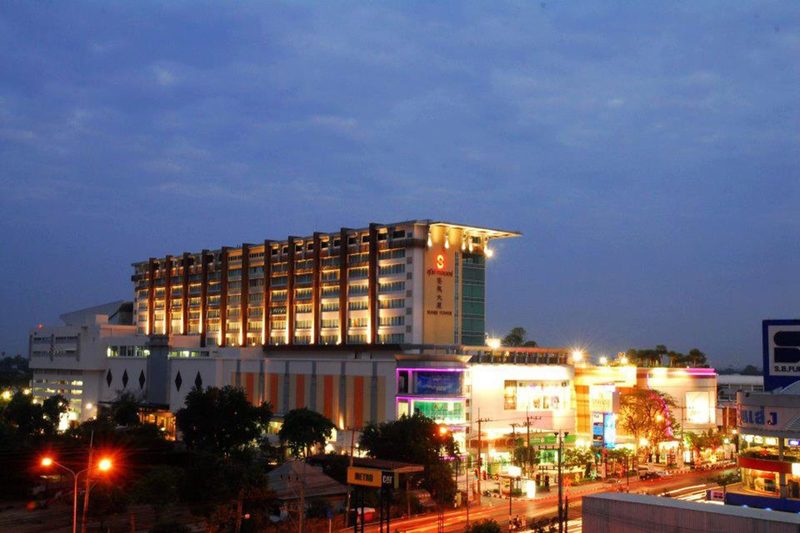
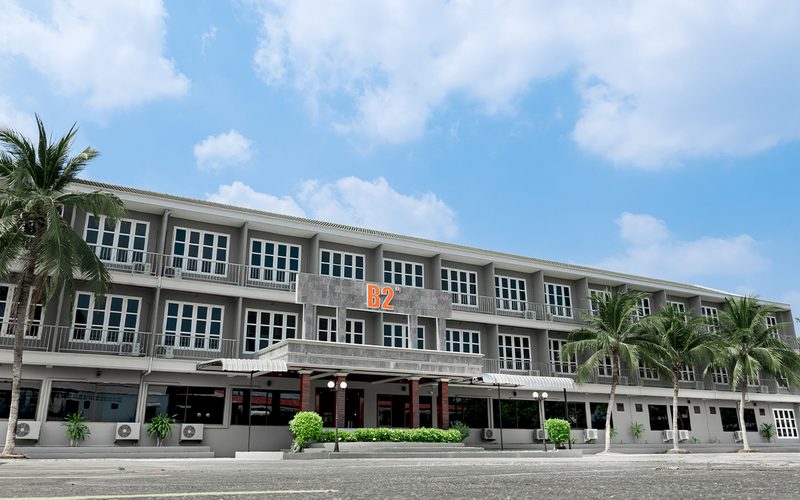
Where to Stay in Ubon Ratchathani in June
Hand-picked hotels across price tiers for June travellers.
Public Holidays in June
Dates that affect opening hours, transport and crowds
HM Queen Suthida's Birthday
Observed nationwide as a public holiday. Date calculated from the national holiday calendar.
HM Queen Suthida's Birthday
Observed nationwide as a public holiday. Date calculated from the national holiday calendar.
HM Queen Suthida's Birthday
Observed nationwide as a public holiday. Granted in lieu when the holiday falls at a weekend. Date calculated from the national holiday calendar.
Packing Checklist
Bookmark this page — your progress is saved between visits
Need the full list with shopping links?
Climate-specific gear, brand recommendations, and what to leave at home.
View Ubon Ratchathani Packing List →Essential Tips
Insider knowledge and common pitfalls to avoid
Insider Knowledge
Reaching Ubon Ratchathani from Bangkok is simple. The choices matter though. The one-hour flight into Ubon Ratchathani Airport gets you here by mid-morning. You have other routes too. The overnight train from Krung Thep Aphiwat Central Terminal crosses the Isan plateau at dawn. Flat horizon sunrises and mist over rice paddies make the 10-hour journey worth the trade. Book a second-class sleeper berth for the lower bunk. You will sleep through most of the ride. Watch green countryside roll past. Vendors pass sticky rice through the window at station stops. Worth the trip.
Food vocabulary in Ubon follows the Isan dialect. Central Thai will not get you far here. The difference matters at market stalls. Pointing works in a pinch. Learn the words for sticky rice (khao niao) instead. Pick up the fermented fish dip (jaew bong) too. Memorize pet mak, meaning very spicy. This simple step saves confusion. You will get the actual local dish. Tourist versions are far too mild. Vendors at the Indochina Market respond noticeably. They respect basic Isan phrases. Learn them.
Nightlife in Ubon Ratchathani clusters near the Mun River. It also spills around the university area. Live Isan mor lam music rules the scene. Forget DJ sets. The sound is unmistakable. The khaen, a bamboo mouth organ, drives the melody. It lands somewhere between haunting and danceable. Vocals oscillate between speaking and singing. June weeknights are quiet. Friday and Saturday bring crowds. Riverfront spots fill with university students and young professionals. They treat the evening as a social ritual. Towers of beer sit on tables. Shared platters of som tam and gai yang arrive. The volume level forces conversation into an exercise in lip-reading. It gets loud. You will hear it from the street.
June mornings before 7 AM are your only window. The air is cooler. The light is softer. The daily alms-giving procession of saffron-robed monks walking barefoot through the old town neighborhoods stands out. It is one of the most quietly moving things you will witness in Thailand. Ignore the performative tourist alms-giving in Luang Prabang across the border. Ubon's morning procession remains a genuine neighborhood ritual. Stand respectfully to the side. Do not photograph monks from the front with flash. You are welcome to watch. Watch closely.
Avoid These Mistakes
Planning a trip specifically around Sam Phan Bok in June is a mistake. The Mekong water level rises steadily through the monsoon months. By June most of the 3,000-hole rock formations that make this site extraordinary sit underwater. Travelers who arrive expecting the dramatic canyon landscapes they saw on social media see nothing but brown water where the rocks should be. Save Sam Phan Bok for a December through April visit. The Mekong drops then. The formations emerge. You will see the site. Visit later.
Underestimating the intensity of Isan food leads to immediate stomach trouble. You will be unable to eat comfortably for the rest of the trip. Ubon's som tam, larb, and jaew bong reach a heat level that Central Thai cooking rarely approaches. The heavy use of pla ra, the pungent fermented fish paste, overwhelms unaccustomed digestive systems. Start with one dish per meal for the first two days. Ask for pet nit noi (a little spicy) without shame. Build your tolerance slowly. Do not order five plates on night one. Pace yourself carefully. Respect the heat. It will win otherwise. Keep your order modest.
Scheduling only outdoor activities without rain contingency plans is a bad idea. June storms in Ubon Ratchathani ground a full afternoon with little warning. Smart planning requires morning outdoor excursions to the national parks. Block afternoon time for the covered markets. Visit temple interiors. Check out the Ubon Ratchathani National Museum. Or simply enjoy a long meal at a riverside restaurant. Watch the rain hammer the Mun River. It is, to be fair, one of the more atmospheric experiences the city offers. Stay dry. Adapt quickly.
Short on time? See day trips around Ubon Ratchathani on GetYourGuide.
Ready to plan your trip to Ubon Ratchathani?
Now that you've got the research covered, here's where to go next.
Explore More Activities in Ubon Ratchathani
Didn't see anything interesting yet?
Browse Viator's full catalog of tours, day trips, food experiences, and private guides in Ubon Ratchathani.
See All Ubon Ratchathani Tours on Viator