
Things to Do in Ubon Ratchathani in September
September weather, activities, events & insider tips
Low Season · Budget Friendly
September Weather in Ubon Ratchathani
Long-run averages for September
89°F (32°C)
High Temp
75°F (24°C)
Low Temp
12.4 inches (315 mm)
Rainfall
87%
Humidity
17
Rainy Days
12
Sunny-Day UV
⚠ Flash flooding on rural roads is a real possibility after heavy afternoon storms, on the routes east toward Khong Chiam and Pha Taem. Low-lying stretches can go from dry to impassable within an hour of a major downpour. If you are on a motorbike or in a low-clearance vehicle, check conditions with locals before departing. Avoid driving through standing water of unknown depth. It can kill you.
⚠ Dengue fever transmission peaks during the September wet season across Isan province. Standing water from daily rains creates breeding habitat for Aedes mosquitoes, which bite during daylight hours, not just at dusk. Use DEET repellent consistently. Wear light long sleeves in the evenings. If you develop sudden high fever with severe headache and joint pain, seek medical attention at Sappasithiprasong Hospital in the city without delay. Hours matter.
⚠ The Mun River runs at or near flood stage through September, and low-lying sections of the Mun River promenade and the Warin Chamrap bank can experience localised flooding after sustained heavy rain. Check river levels locally before evening walks along the water. Do not wade into or swim in the river. The current carries far more force than the surface suggests. Respect it.
Making the most of September in Ubon Ratchathani? Browse tours and activities in Ubon Ratchathani on GetYourGuide.
Is September Right for You?
Weigh the advantages and considerations before booking
Advantages
- + Waterfalls at their most ferocious. Saeng Chan, Soi Sawan, and Huay Luang run at full monsoon volume, transforming trickles you would barely photograph in March into walls of white water that rattle your ribs from 30 m (100 ft) away. This is the one month these falls justify the drive.
- + The Isan countryside turns almost impossibly green. Rice paddies stretching from the highway shoulder to the horizon glow emerald under overcast skies, and the red laterite roads cutting through them make the kind of contrast that stops you mid-sentence. Photographers who time it right, after a morning downpour clears, get landscapes most visitors to Thailand never see.
- + Crowds essentially vanish. Ubon Ratchathani already sits well outside the standard tourist circuit, and September thins even the domestic trickle. Temples, national parks, and the Mun River promenade feel like they belong to you and whatever monks happen to be walking past. Accommodation drops to its lowest rates of the year, and guesthouses that require advance booking in candle festival season will have rooms same-day.
- + Buddhist Lent is in full session, which means the temples are at their most spiritually active. Monks who would normally travel between provinces are in residence, morning almsgiving processions along the Mun River bank are larger and more frequent, and the chanting you hear drifting from Wat Nong Bua's courtyard at dawn has a depth of chorus you simply will not encounter outside these three months.
Considerations
- − This is the wettest month of the year, full stop. At 315 mm (12.4 inches) across 17 rain days, September delivers storms that can turn a gravel park trail into a creek in under an hour. Rural roads flood. The laterite paths at Pha Taem become treacherous when wet. You will get rained on. The question is only whether you have planned for it.
- − Sam Phan Bok, the three-thousand-hole rock formation that is Ubon Ratchathani's most photographed natural landmark, sits completely underwater from July through October. The Mekong swallows it by several metres. Had Hong's sand dunes vanish the same way. If those two sites are the reason you are coming, September is the wrong month.
- − Humidity at 87% paired with 32°C (89°F) heat creates a wet, clinging discomfort that never fully lifts, even after dark. Walking a temple compound at midday feels like pushing through warm gauze. The air sits on your skin. Anything more strenuous than a slow stroll between 11 AM and 3 PM becomes an exercise in sweat management rather than sightseeing.
Settled on September? Compare hotel prices in Ubon Ratchathani for your dates on Trip.com.
Best Activities in September
Top things to do during your visit
Pha Taem Cliff Paintings and Monsoon Waterfall Circuit
Pha Taem National Park sits about 90 km (56 miles) east of Ubon Ratchathani city, on a sandstone escarpment that drops straight to the Mekong. The cliff paintings, ochre depictions of giant catfish, hand-print clusters, and geometric patterns dating back roughly three thousand years, line a walkway along the cliff face with the river running brown and heavy 200 m (656 ft) below. In September the mist off the swollen Mekong drifts up the rock face and mixes with the smell of wet moss and warm stone. The paintings are worth the trip alone. But the September draw is the waterfalls. Saeng Chan pours over a curved sandstone lip in a wide, almost theatrical curtain, the spray catching you well before you reach the viewing area, the roar loud enough to kill conversation. Soi Sawan, a few kilometres farther along the park road, punches through a narrow rock chasm where the water has cut the stone smooth over millennia, and you can feel the vibration in your feet on the observation platform. Aim for the 7 to 10 AM window: mornings tend to hold dry before the afternoon convection storms build over the plateau, and the slanting early light through residual cloud cover is the best you will get for photographs. The trails are laterite and they get slick, so proper grip footwear matters more than it does in any other season. You will likely share the viewpoints with park rangers and nobody else.
Booking Tip: Most visitors arrange day trips through licensed operators in Ubon Ratchathani city, typically departing around 6 AM to catch the morning dry window. Book at least a week ahead during September since fewer operators run the route in low season. Check the booking section below for current guided options that include transport.
Buddhist Lent Temple Circuit
September falls in the middle of Khao Phansa, the three-month rains retreat when monks stay within their temple grounds, and this changes the texture of every temple visit in Ubon Ratchathani. At Wat Nong Bua, whose Bodhgaya-style chedi rises in stepped white tiers above the surrounding shophouses, you will find monks chanting morning prayers in numbers you will not see outside Lent. The sound reaches you before you reach the gate, a low harmonic drone layered under the drum of rain on the tin-roofed sala, and the incense smoke curling through damp air carries a heavier, sweeter note than it does in the dry months. Wat Thung Si Mueang is the one most visitors walk right past: a small teak scripture library perched on stilts in the centre of a lotus pond, and in September the pond brims almost to the walkway edge while pink lotus blooms break the dark water surface. The wood smells of age and teak oil even from the path. Wat Supattanaram, set on the Mun River bank, blends Thai, Lao, and Vietnamese architectural elements in a way that tells you everything about this city's border-culture identity. The monks' almsgiving procession along the river road happens around 6 AM, and watching it in the soft grey light of a monsoon morning, the river running high and fast behind the line of saffron robes, is one of those unscripted moments that earns Ubon Ratchathani a reputation among travelers who make it here. Dress modestly, covering shoulders and knees, and remove shoes at every threshold.
Booking Tip: Temple visits require no booking and no entrance fee, though a small donation at each is customary and appreciated. Licensed cultural guides available through local operators add genuine depth, for the Khao Phansa rituals that are difficult to understand without context. See current guided temple tour options in the booking widget below.
Khong Chiam Two-Colour River Viewpoint and Mekong Frontier
Khong Chiam sits about 80 km (50 miles) east of the city at the exact point where the Mun River meets the Mekong, and in September the confluence puts on a show that dry-season visitors simply do not get. The Mun runs a cloudy tan colour from the Isan clay it carries, while the Mekong runs a deeper, darker brown from its Laotian headwaters, and where they merge you can see a visible seam of two distinct water colours swirling into each other. In September, both rivers run at near-peak volume, so the visual contrast is sharper and the merging line shifts and pulses in a way that looks almost alive. The observation platform at the tip of Khong Chiam sits close enough that you can hear the collision, a low churning turbulence that sounds nothing like a calm river. The air here smells of river clay and the faintly vegetal, almost green scent of fast-moving tropical water. The town itself is a handful of streets with a morning market where grilled Mekong fish wrapped in banana leaves and sticky rice sold from woven baskets make a breakfast that tastes of smoke, salt, and the faint sourness of fermented fish paste. This is deep Isan, barely touched by tourism infrastructure. That is the appeal and the limitation, both at once.
Booking Tip: Khong Chiam works best as a half-day or full-day trip from Ubon Ratchathani, often combined with Pha Taem. Arrange transport through a licensed day-tour operator or hire a driver, as public transport options thin out substantially in the wet season. Check the booking section below for current combination tours.
Isan Market Food Exploration
Ubon Ratchathani's food identity runs on sticky rice, grilled meats, and the sour-spicy-funky flavour axis that defines Isan cooking, and September's wet season sharpens the market experience. The covered markets stay busy regardless of weather, and the charcoal smoke from the kai yang (grilled chicken) vendors drifts through humid air in a way that clings and lingers instead of dispersing. Start at the Indochina Market near the river, where Ubon Ratchathani's proximity to Laos and Vietnam shows up in spring rolls with translucent rice-paper wrappers, bowls of Vietnamese-style pho ladled from stockpots that have been simmering since before dawn, and Lao-style sausages packed with lemongrass and galangal. The som tam vendors here pound green papaya in clay mortars with a syncopated thwack-thwack-thwack that is a metronome for the whole row, and the finished salad hits your tongue in four directions at once: sour lime, salty fish sauce, the burn of bird's-eye chilli, and the crunch of raw long beans still cold from the morning. The evening scene along the Mun River promenade picks up after the afternoon rain clears, when steam rises off the pavement and the air cools just enough to sit outside. Larb, the minced-meat salad that Isan considers its defining dish, is worth trying with every protein the vendor offers, because each one, pork, catfish, duck, changes the balance of toasted rice powder and mint in ways that keep surprising you. September produce at the markets includes rambutan and longan at their seasonal peak, the skins splitting open to reveal translucent flesh that tastes of lychee's more interesting cousin.
Booking Tip: Food-focused walking tours operate even in the rainy season, typically scheduling around the morning dry window. Book a few days ahead and specify interest in Isan-specific dishes rather than generic Thai food. Current guided food experiences are listed in the booking section below.
Kaeng Tana National Park Rapids and River Trails
Kaeng Tana sits about 75 km (47 miles) east of the city where the Mun River narrows through a rocky channel, and September turns its normally scenic rapids into something powerful. The water crashes over and between massive sandstone slabs with a force that sends spray arcing into the trees along the bank, and the sound, a sustained low roar punctuated by sharper cracks when a wave hits a rock face square on, fills the entire gorge. The observation points along the river are close enough that the mist beads on your arms and the air tastes faintly mineral, like wet stone. The surrounding forest, semi-evergreen dipterocarp that goes crispy brown by February, is at its most lush in September: ferns shoulder-high along the trails, mushrooms pushing through red soil, and the canopy so thick overhead that even midday feels like late afternoon. Birdlife peaks during the rains, and the park's semi-evergreen forest hosts hornbills, kingfishers, and bee-eaters that are easier to spot when the foliage forces them onto exposed branches above the river. The walking trails are short, mostly under 3 km (1.9 miles), but wet-season mud means doubling your time estimate and wearing shoes you do not mind sacrificing. The park also contains Tham Heo, a river cave accessible only when water levels cooperate, which in September they usually do not, so manage expectations on that front.
Booking Tip: Kaeng Tana is frequently combined with Khong Chiam in a full-day loop from Ubon Ratchathani. Park entry is handled at the gate. Licensed tour operators handle transport and timing, which matters because the afternoon storms hit harder in this river valley than in the city. See the booking section below for current day-trip options that include this park.
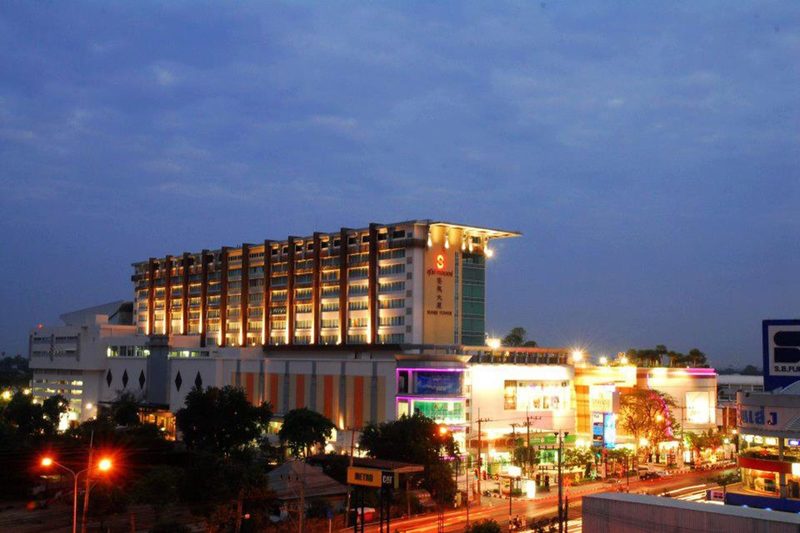
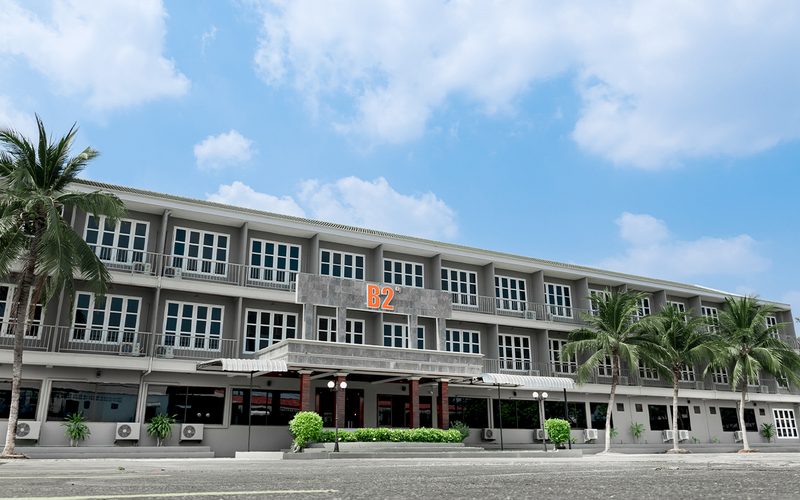
Where to Stay in Ubon Ratchathani in September
Hand-picked hotels across price tiers for September travellers.
Packing Checklist
Bookmark this page — your progress is saved between visits
Need the full list with shopping links?
Climate-specific gear, brand recommendations, and what to leave at home.
View Ubon Ratchathani Packing List →Essential Tips
Insider knowledge and common pitfalls to avoid
Insider Knowledge
Getting to Ubon Ratchathani from Bangkok is straightforward but the options differ more than you would think. The flight takes barely an hour and lands at Ubon Ratchathani Airport just outside the city. The overnight train from Hua Lamphong takes roughly ten hours but rolls through the Isan plateau at dawn, and waking up to flat green rice paddies stretching to the horizon under grey monsoon skies is a better introduction to the region than any airport corridor. The train is the locals' choice for a reason: it arrives rested, not just transported.
Ubon Ratchathani's nightlife is not Bangkok or Chiang Mai, and pretending otherwise would waste your evening. What the city does well is the riverside promenade scene after the afternoon rain clears: food vendors fire up charcoal grills along the Mun, local bars serve cold Leo and Chang to a mostly Thai crowd, and the atmosphere is low-key, unhurried, and social in a way that tourist nightlife districts have long since lost. The streets around the Warin Chamrap side of the river tend to stay livelier later. If you need a club, you are in the wrong city. If you want to drink a cold beer while watching the swollen Mun River slide past under string lights while a Thai country song plays from a speaker somewhere, September in Ubon Ratchathani is good for that.
September accommodation in Ubon Ratchathani runs at its cheapest rates of the year, sometimes dramatically so compared to the July candle festival peak. Book a week or two ahead rather than same-day: the savings plateau is already reached by then, and showing up without a reservation in a city with limited English-language booking infrastructure adds friction you do not need. Guesthouses near Thung Si Mueang park and along the river offer the best access to both the temple circuit and the evening food scene without needing transport between the two.
The afternoon storm pattern in September is remarkably consistent once you learn to read it. Mornings typically dawn clear or lightly overcast, the humidity builds through late morning, cumulus clouds stack into towers by noon, and the rain hits between roughly 2 and 5 PM in a concentrated downpour that can dump 40 mm (1.6 inches) in an hour. Then it stops, the air cools by a few degrees, and the evening opens up. Plan every outdoor excursion for before noon, every indoor or covered-market activity for early afternoon, and your best dining and walking for the 5 to 9 PM window after the rain. Locals have organised their entire daily rhythm around this pattern, and you should too.
Avoid These Mistakes
Planning a trip around Sam Phan Bok or Had Hong without checking the season courts disaster. These rock formations and sand dunes only appear when the Mekong drops to low levels, typically November through May. In September, they are metres underwater with zero visibility. Arriving at Khong Chiam expecting the Grand Canyon of Siam and finding a brown river with no rocks in sight is a real disappointment. It happens to travelers who relied on dry-season photographs without checking dates. Check first. Always.
Treating the afternoon rain as a reason to stay indoors all day is a rookie mistake. First-time visitors to monsoon climates often see a 17-rain-day forecast and imagine unbroken grey drizzle. September in Ubon Ratchathani is not London in November. The mornings are frequently clear and warm. The storms are violent but brief. The post-rain evenings are the most pleasant hours of the day. Wasting mornings sleeping in and then complaining about afternoon rain is the most common scheduling error. Rise early. Stay out late.
Underestimating the cumulative effect of the humidity will wreck your trip. At 87%, the air itself feels like resistance. Tourists who schedule back-to-back outdoor activities the way they would in dry-season Chiang Mai find themselves exhausted, dehydrated, and irritable by early afternoon. Pace yourself to roughly half the walking you would do in cooler weather. Hydrate obsessively. Build air-conditioned stops into every itinerary. The 7-Elevens with their aggressive air conditioning are not rest stops to be embarrassed about. They are survival infrastructure. Use them shamelessly.
Short on time? See day trips around Ubon Ratchathani on GetYourGuide.
Ready to plan your trip to Ubon Ratchathani?
Now that you've got the research covered, here's where to go next.
Explore More Activities in Ubon Ratchathani
Didn't see anything interesting yet?
Browse Viator's full catalog of tours, day trips, food experiences, and private guides in Ubon Ratchathani.
See All Ubon Ratchathani Tours on Viator